How to Standardize Operations Across Restaurant Locations Without Crushing Local Soul
A playbook for standardizing operations across restaurant locations: define non-negotiables, codify workflows, train leaders, audit humanely, and allow local adaptation where it improves the guest experience.
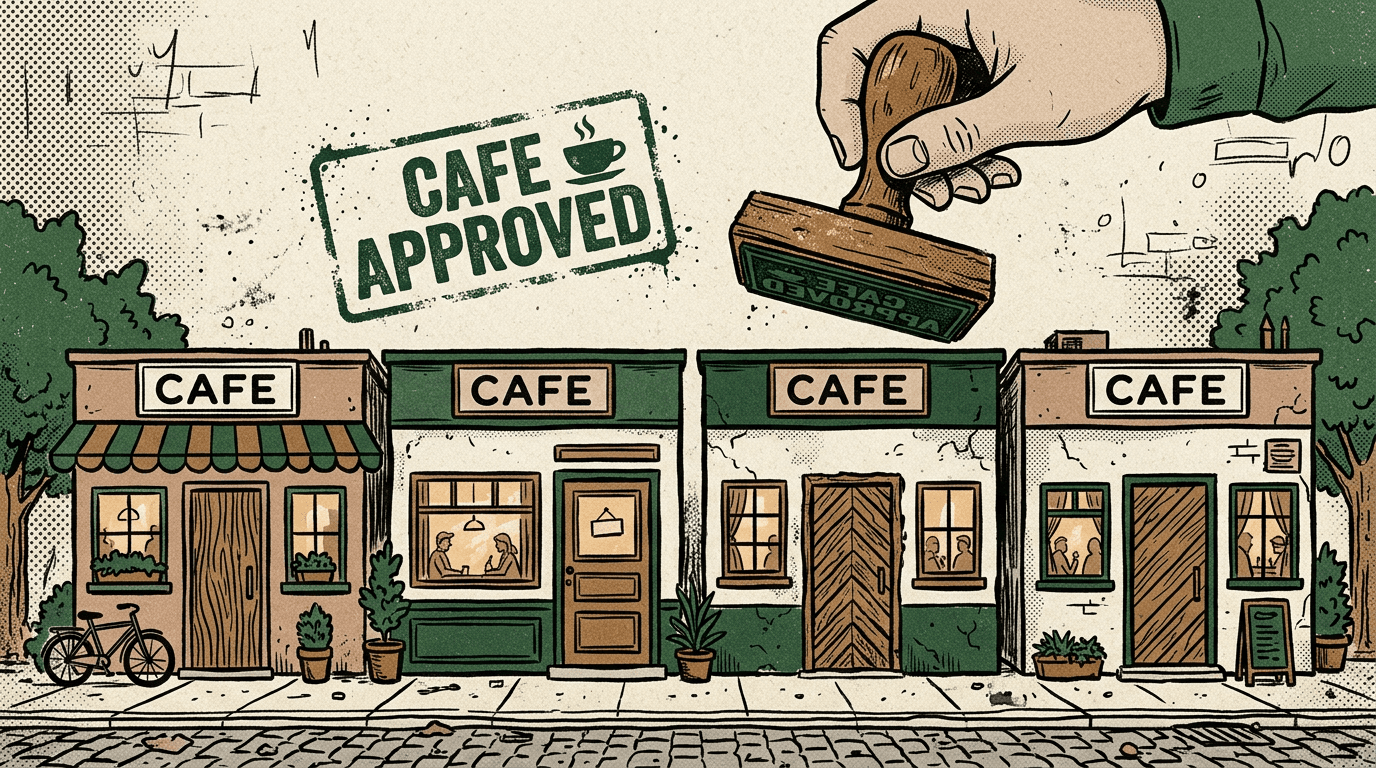
In a Nutshell
- Guests reward predictable quality—standardize what protects people and brand, flex where hospitality needs soul.
- Separate true brand standards from individual manager preferences masquerading as “how we’ve always done it.”
- Codify workflows and train leaders so consistency scales beyond a few heroic operators.
- Audit humanely: look for drift, teach correction, and reserve the hammer for real risk.
- Local adaptation is fine when it improves the guest experience without breaking safety or promise.
Standardization sounds cold until you remember what guests reward: predictable quality, confident answers, and teams that look like they know what they are doing. The trick is learning how to standardize operations across restaurant locations without turning every store into a photocopy of a spreadsheet. You want consistency where it protects people and brand, and flexibility where it unlocks hospitality that feels alive.
Related on UnitPass: Restaurant Franchise Operations Platform: Consistency, Compliance, and Franchisee Trust
Separate brand standards from manager preferences
Write down non-negotiables: food safety steps, service recovery principles, alcohol service rules, harassment response expectations, and core brand behaviors. These should travel everywhere. Then identify areas where local adaptation is not only acceptable—it is strategic: local charity alignments, neighborhood specials within guardrails, flexible staffing models for distinct labor markets.
Conflict emerges when HQ treats preferences as standards without saying so. Transparency reduces resentment.
Codify workflows as “minimum effective clarity”
Standardization succeeds when it reduces decision fatigue, not when it creates binders nobody opens. Translate standards into short workflows: the correct sequence for line setup, the checklist for opening the bar safely, the steps when a guest reports illness, the escalation ladder when equipment fails. Use visuals where possible; restaurants learn with eyes and repetition.
Digital tools help because they can reinforce the same workflow across locations while capturing evidence for coaching—not punishment by default.
Train leaders to teach, not only to inspect
Inspection without coaching feels like surveillance. Area leaders should frame visits as two-way learning: share what works across the system, ask what local market reality demands, and align on next improvements. When you standardize operations across restaurant locations, your field culture determines whether standards feel like partnership or policing.
Invest in manager training as a chain responsibility—so each GM is not reinventing basics alone.
Measurement: consistency metrics that reflect guest reality
Choose measurements tied to guest experience: ticket time variability, remakes, cleanliness scores, complaint themes, training completion—not only sales aggregates. Also measure consistency of execution: are standards actually happening during Saturday peak, not only Tuesday lunch when everything is calm.
Beware scoreboards that incentivize cutting corners. If labor targets dominate conversations, teams will quietly trim service quality to hit numbers.
Language alignment: the words your teams use on the floor
Standardization includes vocabulary: how you describe doneness, how you call orders, how you describe allergy protocols to guests. Shared language reduces errors and increases speed. It also helps new hires ramp faster because the restaurant sounds like one brand, not a collection of private dialects.
Update language gently when menus evolve—stale scripts confuse modern kitchens.
Allow experiments with guardrails
Innovation still matters. Permit controlled experiments in select stores with clear success metrics and rollback plans. That is how you learn without risking brand fragmentation everywhere at once. The output of successful experiments becomes new standards—if they prove repeatable.
When experiments fail, capture learnings without shame. Standardization improves faster in cultures where failure is data, not treason.
Governance: who can approve exceptions
Exceptions will happen: supply shortages, local regulations, unique building constraints. Define who can approve deviations, for how long, and how documentation records the exception so it does not silently become the new normal without leadership intent.
Well-governed exceptions protect both brand stability and local credibility—because guests can tell when a store is forced into foolish rigidity that does not match reality on the ground.
Long-term: standardize learning systems, not only outcomes
The deepest standardization is how you improve: weekly huddles, structured feedback loops, retrospective discipline after busy holidays, and sharing fixes across stores. When you standardize learning—not only rules—you create a restaurant group that gets better as it grows instead of slowly drifting into inconsistency that shows up first in reviews, then in margins.
Quality systems: tasting, plating, and line readiness
Food quality standardization is more than recipe cards; it is line readiness discipline. Define how tasting and adjustment works during service, how deviations get logged, and how leadership responds to repeated variance—supplier shifts, training gaps, or equipment issues. When you standardize operations across restaurant locations, make the feedback loop humane: improve systems before blaming individuals.
Plating standards deserve photos and short videos shot in your real lighting—not only studio shots. Teams mimic what they can realistically reproduce under pressure.
Guest recovery: consistent care when things break
Mistakes will happen. Standardize recovery principles: speed, empathy, ownership, fair compensation policy, and post-incident learning. A guest should feel you care consistently—never randomly generous, never defensively cold. Train staff on phrases that de-escalate and actions that match brand values.
Track recovery outcomes to learn patterns. Sometimes repeated issues indicate training; sometimes menu engineering; sometimes operational load that scheduling must address. Standardization turns recovery from improvisation into repeatable excellence that guests remember positively.
Scaling standards without suffocating creativity
The best multi-unit brands standardize stability—safety, reliability, hospitality spine—while preserving creative freedom where it delights guests without increasing risk. Write the boundary clearly, celebrate creative wins that stay inside it, and coach teams when creativity drifts into inconsistency that confuses guests or stresses kitchens.
Standards are love expressed as clarity—so your teams can focus energy on guests, not on guessing what leadership wanted on a busy Saturday.
If you are working to standardize operations across restaurant locations right now, treat it as gradual alignment—not a dictatorship of details. Roll out in waves, listen to counterexamples from stores with legitimate constraints, and revise standards when reality teaches you something new. The goal is a brand that feels coherent to guests while remaining adaptive enough to stay alive in real markets with real employees. That balance is the craft of multi-unit hospitality leadership.
Document the “why” behind standards—not only the “what”—so new leaders inherit reasoning, not only rules. Reasoning travels farther when markets shift and teams rotate.
Celebrate exemplar stores publicly: not perfection, but consistent care that guests can name in reviews. Recognition accelerates adoption faster than memos.
Small consistency wins compound quietly into brand trust.
- Write non-negotiable brand standards separately from local adaptation zones.
- Codify short workflows with visuals; reduce binder theater.
- Coach field leaders to teach—surveillance alone breeds shadow processes.
- Govern exceptions with owners, time bounds, and durable documentation.
Sources & further reading
Authoritative references for context (not endorsements of any vendor):