Centralized Maintenance Tracking for Restaurant Groups: From Reactive Chaos to Auditable Calm
Why centralized maintenance tracking for restaurant groups pays off in uptime, safety, vendor leverage, and insurance readiness, plus a rollout plan that works for GMs and facilities leads alike.
In a Nutshell
- Without a shared system, repairs become folklore—bad for uptime, insurance, and repeat-failure diagnosis.
- Centralized tracking turns vendor history, photos, and timelines into an auditable record, not scattered texts.
- Standardize urgency, ownership, and escalation so every GM interprets “emergency” the same way.
- Use maintenance data to negotiate with vendors and justify CapEx with evidence, not anecdotes.
- Roll out with store champions, simple mobile capture, and leadership reviews that close the loop.
Maintenance is where hospitality meets physics. Coolers compress, hoods collect grease, door hinges loosen, plumbing surprises everyone at the worst possible hour. For restaurant groups, the maintenance problem is multiplied and fragmented: different buildings, different lease responsibilities, different vendors, and different managers interpreting urgency differently. Centralized maintenance tracking for restaurant groups exists to turn reactive chaos into a shared system of record that protects guests, staff, and capital equipment.
Related on UnitPass: Restaurant Vendor Management Software (Multi Location): Directory Discipline That Saves Real Money
The hidden cost of “we fixed it, I think”
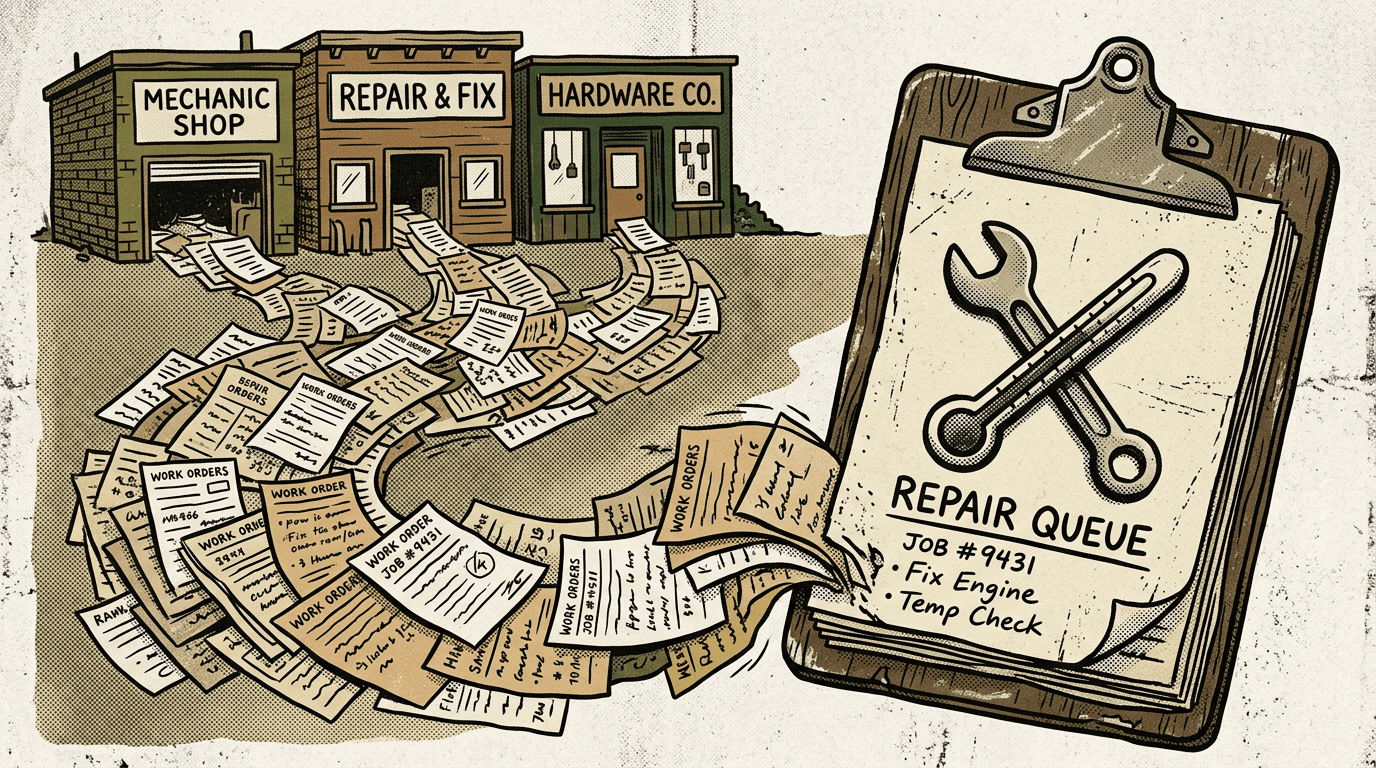
Without centralized tracking, repairs become folklore. Someone remembers a vendor name, someone else remembers a price that may not be accurate, and nobody can produce a coherent timeline when insurance asks questions or when a repeat failure indicates a deeper issue. The hidden cost is not only money—it is time spent reconstructing reality, and confidence lost when leaders cannot trust operational reports.
Centralization does not mean every decision flows through HQ. It means every store creates durable records with location context, photos, priority, status, and assignment. Leadership can spot patterns—repeat equipment failures, vendor responsiveness problems, recurring store needs—without waiting for crisis meetings.
Define categories, severities, and owners upfront
Maintenance requests are not all the same. A flickering light and a walk-in at risk are different universes. Effective tracking uses simple severity scales aligned to guest safety and product loss risk. It also assigns ownership clearly: store-level first response, facilities oversight, approved vendor dispatch, and capital approval thresholds. When categories exist, training is shorter and decisions during service become faster.
Owners should include facilities, operations, finance when spend is meaningful, and IT only where systems intersect. Too many approvers slows fixes; too few risks maverick spend. A restaurant group’s sweet spot is usually tiered authority with clear limits and auditability.
Photos and timestamps are not optional details
Photos reduce miscommunication dramatically. A crack described in text is not the same crack a vendor sees in a picture taken in the moment. Timestamps anchor urgency and help identify recurring problems like intermittent electrical faults. Centralized maintenance tracking for restaurant groups should make mobile capture effortless because most issues are discovered while managers are walking the line, not sitting at a desk.
Photos also help training. New managers learn what “bad” looks like and what immediate mitigation steps look like until a vendor arrives. That shared baseline reduces variance between stores and reduces the odds that a minor issue becomes a shutdown.
Vendor lifecycle: selection, performance, and leverage
Groups that track maintenance seriously can negotiate better outcomes because they can prove volume and response patterns. If a vendor misses SLAs repeatedly, you can replace them with evidence—not anecdotes. If another vendor excels, you can consolidate work and earn priority response. Vendor leverage is not only about price; it is about reliable triage when your Saturday night is on the line.
Central tracking also reduces “shadow vendor” risk—random technicians called without vetting, inconsistent insurance certificates, or work performed outside warranty terms. A disciplined directory tied to work history protects the business from accidental liability gaps.
Compliance intersections: fire, grease, refrigeration, accessibility
Maintenance overlaps regulatory realities: hood cleaning schedules, fire suppression inspections, refrigeration logs in some contexts, and accessibility fixes when facilities issues affect guests. Your tracking approach should allow tags and recurring schedules for proactive compliance tasks—not only reactive break/fix work. Proactive maintenance is cheaper than emergency remediation and often cheaper than fines or downtime.
Insurance carriers increasingly appreciate documentation after incidents. Being able to show maintenance diligence will not solve every claim, but it can materially affect outcomes when questions of negligence arise.
Rollout: start where pain is loudest
Roll out centralized maintenance tracking where your group loses the most money today: refrigeration, HVAC summer peaks, grease-related risks, or chronic plumbing stores. Quick wins create credibility. Train managers with a simple rule: if it could hurt someone, spoil food, or stop service, it enters the system immediately—no exceptions. Then expand categories as habits solidify.
Avoid turning tracking into punishment. The goal is visibility that prevents failures, not scoreboards that shame stores for reporting problems. If reporting feels risky, issues hide until they explode.
What success looks like in monthly reviews
Successful groups review maintenance metrics monthly: average time to triage, average time to vendor dispatch, repeat issue rate, spend by category, and backlog aging. Conversations shift from emotional storytelling to targeted problem solving. That is the operational calm centralized maintenance tracking for restaurant groups is designed to deliver—through discipline, not slogans.
Capital planning starts when repairs become patterns, not surprises
Centralized tracking transforms maintenance from a series of expensive surprises into a portfolio-level story about equipment lifecycle. When the same compressor family fails across multiple stores, you can decide whether to standardize replacements, negotiate fleet-level service contracts, or adjust capital budgets with evidence rather than fear. Without shared history, each GM fights their building alone—and your finance team only hears requests as one-off emergencies.
Finally, connect maintenance discipline to brand quality. Guests may never compliment your HVAC strategy, but they notice when dining rooms are uncomfortable, restrooms stall, or ice machines fail on the hottest week of summer. Reliability signals care. Centralized maintenance tracking for restaurant groups is a quiet brand investment—one measured in fewer disruptions, stronger vendor partnerships, and leaders who sleep better because the operational truth is visible before it becomes an expensive headline.
- Replace folklore with a durable system of record across all stores.
- Use severity, ownership tiers, and mobile photo capture for clarity.
- Convert maintenance history into vendor performance and negotiation leverage.
- Review metrics monthly: aging, repeats, response times, and proactive compliance tasks.
As your portfolio grows, maintenance scale becomes strategy: which issues you prevent, which vendors you reward, and which buildings need capital attention before they become emergencies. Centralized maintenance tracking for restaurant groups gives leadership a portfolio lens without stripping stores of local autonomy. That balance—visibility without micromanagement—is how multi-unit operators build resilient operations that still feel human on the floor.
Start small, document everything, and let the data earn the next investment: better contracts, better equipment standards, and calmer leadership meetings where the conversation is about prevention—not panic.
Sources & further reading
Authoritative references for context (not endorsements of any vendor):