Restaurant Facility Management Software: Buildings, Budgets, and Guest Comfort as One System
What restaurant facility management software should cover for multi-site groups: asset registers, preventive maintenance, lease obligations, capital planning handoffs, and how to keep guest-facing spaces safe without constant crises.
In a Nutshell
- Guest comfort and back-of-house reliability are brand issues—facilities work should be proactive, not only firefighting.
- Asset registers should prioritize what hurts the brand or budget when it fails, not every screw in the building.
- Preventive maintenance and service history reduce surprises and support CapEx planning with evidence.
- Lease obligations and spend approvals need visibility so locations don’t drift into informal workarounds.
- Tie facility health to guest-facing standards: HVAC, restrooms, lighting, and safety aren’t “back office only.”
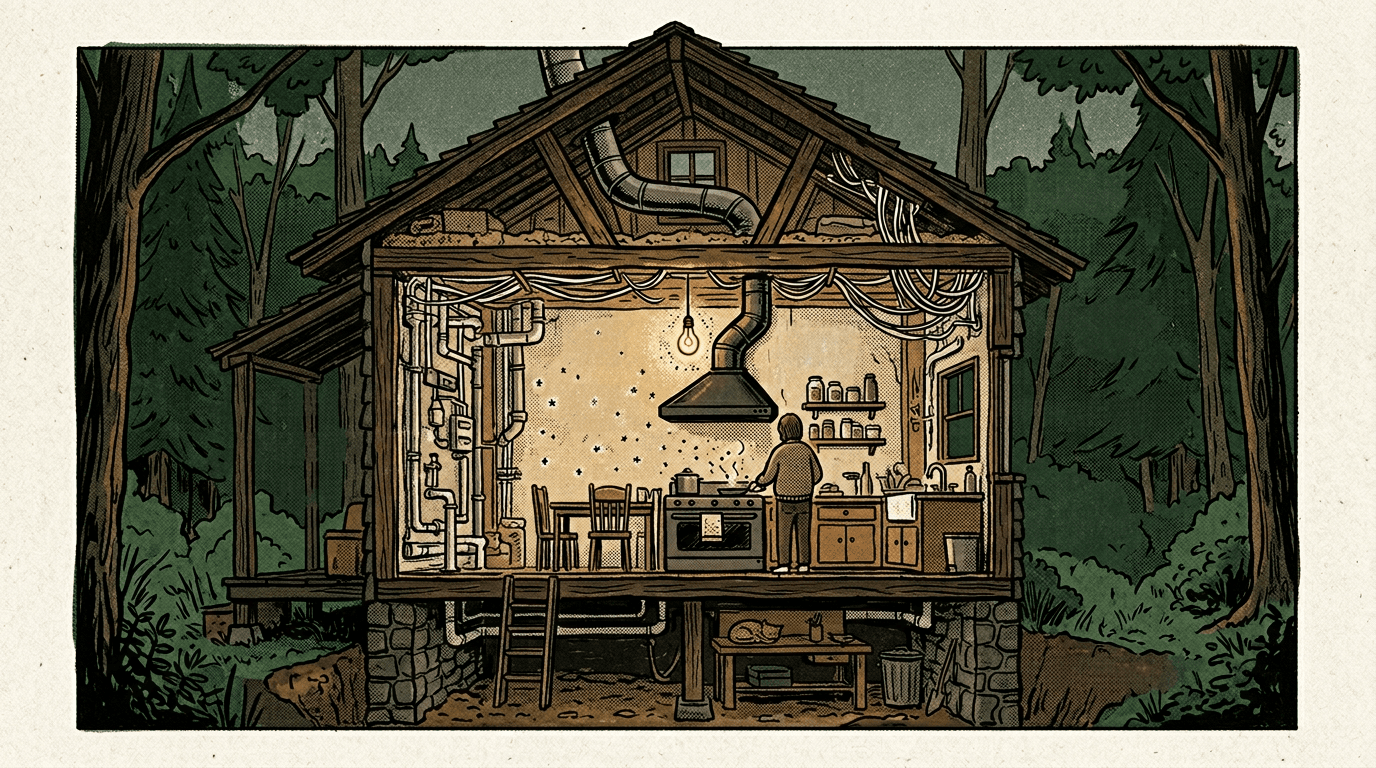
Facility management is the silent pillar under every dining room. HVAC comfort, restroom reliability, lighting quality, and back-of-house mechanical stability shape guest perception—even when guests cannot name what feels “off.” Restaurant facility management software helps groups move from firefighting to stewardship: tracking assets, scheduling preventive work, and aligning capital spend with operational truth instead of folklore.
Related on UnitPass: Centralized Maintenance Tracking for Restaurant Groups: From Reactive Chaos to Auditable Calm
Asset registers: start with what breaks your brand when it fails
Not every asset deserves equal bookkeeping priority. Begin with assets tied to food safety and guest comfort: refrigeration, cooking line equipment, hood systems, grease management, HVAC, hot water, and critical electrical panels. Expand to secondary assets once fundamentals are stable. Restaurant facility management software works best when asset records include model identifiers, warranty windows, service history, and vendor relationships—so the next technician is not guessing.
Photos matter for equipment rooms where labels fade and serial plates hide behind conduit.
Preventive maintenance as a schedule, not a hope
Reactive maintenance is expensive and unpredictable. Preventive maintenance reduces emergencies by design—hood cleanings, refrigeration checks, door seals, filter replacements, and periodic lighting audits. Facility software should generate schedules, reminders, and completion evidence. The goal is fewer “we forgot until it failed” stories during your busiest weekends.
Also separate mandatory compliance-driven tasks from nice-to-have optimizations. Eat the frog when the law and insurance care most.
Lease alignment: who owns what repair category
Leases define responsibilities—landlord versus tenant—for roof, structural elements, HVAC in some cases, common areas, and more. Facility management should store these clauses in accessible summaries so managers route issues correctly and avoid paying twice. Misrouted work wastes time and creates disputes.
When renewals approach, facility history becomes negotiation leverage: documented repairs, recurring problems, and performance gaps versus promised building conditions.
Capital planning: connecting field reality to finance timelines
Capital decisions should reflect life-cycle signals, not only age-based guesses. Facility software that tracks repair frequency, downtime impact, and guest complaints tied to spaces helps finance sequence replacements intentionally. Without that bridge, groups either overspend reactively or starve stores until failure forces expensive drama.
Triangulate with operations: kitchens know what slows service; finance knows constraints; facilities know mechanical risk. One narrative beats three conflicting stories in meetings.
Vendor coordination and work quality control
Facilities vendors intersect with maintenance vendors; sometimes they are the same, sometimes not. Restaurant facility management software should reduce duplicate dispatch and track quality outcomes: callbacks, incomplete fixes, and safety incidents. Strong vendor performance data prevents “cheapest bid” traps that cost more in downtime than they save on invoices.
Also track access logistics: alarm codes, after-hours rules, manager escort needs—details that destroy schedules when unknown.
Guest-visible facilities deserve operational priority
Restrooms, entry lighting, patio heaters, parking lot lighting—these are not vanity. They influence reviews and repeat visits quietly. Add guest-visible facility checks into operational rhythms alongside line checks. Facility management excels when guest experience lenses connect to maintenance work, not only back-of-house machinery.
Train staff to report degradations early without stigma: “the room feels humid” is a valid signal even if it is not a precise mechanical diagnosis.
Scaling across locations without standardizing the wrong things
Portfolios include different building eras and lease structures. Standardize terminology and workflows; allow local variation where physical realities require it. Rigid templates frustrate managers and encourage workarounds. Restaurant facility management software should be adaptable with guardrails, not brittle with assumptions.
If facilities become a steady drumbeat of prevention instead of a parade of emergencies, your teams will feel it—in calmer shifts, fewer surprise costs, and guests who cannot point to anything except that the room felt right.
Energy, utilities, and the sneaky cost of deferred maintenance
Deferred maintenance shows up later as energy waste, lost product, uncomfortable rooms, and emergency premiums. Facility platforms should help you schedule low-drama interventions—filter programs, door seals, refrigeration health checks—before utility bills spike or guests complain obliquely about comfort. These interventions rarely become viral stories; they silently protect margin.
Also monitor water intrusion patterns: slow leaks become mold risks, interior damage, and shutdowns. Early notes and photos create timelines that simplify landlord conversations and insurance discussions when questions arise.
Facilities as employee experience
Employees feel facilities problems before guests do: broken lockers, unreliable hot water in hand sinks, back docks with safety hazards. Include employee-facing facility items in your intake patterns—because team morale is a guest-facing variable. Restaurant facility management software should not treat staff environments as optional afterthoughts.
When you improve back-of-house conditions thoughtfully, retention rises and training becomes easier. The floor becomes more consistent not because standards tightened, but because the workplace stopped working against the standard.
Bringing finance and facilities into one conversation
Too often facilities issues bubble up only when invoices arrive. Better groups connect facilities planning with budgeting calendars: roof life, HVAC replacement windows, parking lot maintenance, and interior refreshes timed to avoid your busiest seasons when possible. Restaurant facility management software helps leadership see these timelines as a portfolio—so cash planning matches mechanical reality instead of pretending every year is smooth.
If you want facilities to be strategic instead of purely reactive, schedule portfolio reviews quarterly with a simple agenda: top risks by location, completion rates on preventive tasks, recurring vendor problems, and upcoming renewals that affect who pays for what. Silence in these meetings usually means drift—drift shows up later as unplanned downtime and avoidable capital shocks.
Facilities done well feels invisible to guests—and that invisibility is the whole point. When the room is comfortable, the restroom is clean, and equipment hums reliably, your hospitality team can spend attention where it belongs: on people, plates, and the small moments that turn first visits into loyal regulars.
Make facilities updates part of investor-grade storytelling too: when leaders can explain building health alongside sales trends, capital discussions become rational instead of emotional.
Prevention beats emergency spend—especially when guests are watching.
- Build asset truth with models, warranties, photos, and service history.
- Run preventive schedules for compliance and downtime reduction—not vibes.
- Mirror lease realities so work routes to the right responsible party.
- Connect field signals to capital planning with evidence, not guesswork.
Sources & further reading
Authoritative references for context (not endorsements of any vendor):